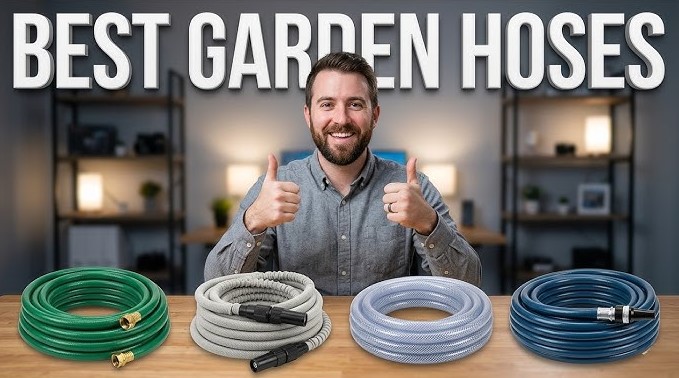
What Factors Are Most Important When Buying a Garden Hose?
Choosing the right garden hose is essential for keeping your yard healthy without the frustration of leaks or kinks. By focusing on material quality, proper length, and diameter, you can find a reliable tool that lasts for years.
There is nothing quite as frustrating as dragging a heavy, leaking, or tangled hose across your lawn on a hot summer afternoon. We have all been there, tugging and twisting, trying to get just enough water to reach that one stubborn rose bush at the back of the yard.
Many people make the mistake of buying the cheapest hose they find at the hardware store, only to end up replacing it a few months later. When it comes to gardening tools, your hose is truly the lifeline of your landscape, and choosing the right one requires a little bit of foresight.
When you start looking at what factors are most important when buying a garden hose, it can feel like information overload. Between different materials, lengths, and reinforced layers, how do you know what actually matters?
The truth is, the best garden hose for you depends on your specific needs, the size of your property, and how often you plan to use it. In this guide, we will break down exactly what you need to know to make an informed decision that will save you time, money, and a lot of unnecessary frustration in the long run.
Understanding Material Construction and Durability
The material of your hose is the biggest indicator of how long it will last and how well it will perform. While it is tempting to go for the lightest, cheapest option, these hoses are usually made from thin vinyl that will degrade quickly under the sun.
The Benefits of Rubber
If you want the gold standard, go with rubber. A high-quality rubber hose is heavy, but it is incredibly durable. These hoses are much more resistant to kinking, cracking, and punctures. They handle extreme temperatures well, meaning they won’t get brittle in the winter or lose their shape in the heat of July. If you have a large property and leave your hose out year-round, rubber is almost always the right choice.
Vinyl versus Reinforced Hoses
Vinyl hoses are lightweight and budget-friendly, making them great for occasional use or for people who struggle with heavy lifting. However, they are prone to kinking and can fail under high water pressure. If you do go with vinyl, look for a “reinforced” hose. These have an inner mesh layer that provides extra structure, helping the hose maintain its shape and preventing it from bursting when you turn the faucet on full blast.
Finding the Right Length and Diameter
One of the biggest mistakes people make when shopping for a garden hose is buying the wrong size. It seems simple, but a few extra feet of hose can make a world of difference, or turn into a storage nightmare.

Measuring Your Needs
Before you head to the store, grab a measuring tape. Walk the path from your outdoor faucet to the furthest point in your garden that needs water. Don’t just measure in a straight line, because you will be winding around flower beds and corners. Give yourself an extra five to ten feet of slack so you aren’t pulling the hose taut, which puts unnecessary stress on the connections and the nozzle.
Understanding Diameter and Water Flow
The diameter of the hose determines how much water comes out at once. A 1/2-inch hose is great for light watering and small patios, but it won’t provide a lot of pressure. A 3/4-inch hose allows for a massive amount of water flow, but it gets very heavy when full. For most homeowners, a 5/8-inch diameter is the sweet spot. It provides enough flow to keep your sprinklers working well while remaining light enough to move around easily.
The Importance of Fittings and Couplings
You can buy the most expensive hose on the market, but if the ends are cheap, you will have leaks within weeks. The coupling, which is the metal or plastic piece that attaches the hose to your faucet, is the most common point of failure.

Why Brass Is Best
Always prioritize solid brass fittings over plastic ones. Plastic couplings can easily cross-thread, crack if they are stepped on, or deteriorate from exposure to UV light. Brass is rugged, holds up to years of screwing and unscrewing, and is much less likely to leak at the connection point. You should also look for octagonal-shaped fittings, which allow you to use a wrench to tighten them if they ever start to drip.
Swivel Connections
If you want to make your gardening life significantly easier, consider looking for a hose with a swivel fitting. These allow the hose to rotate independently of the faucet connection. This simple feature prevents the hose from twisting and kinking right at the start, which is a common problem when you are trying to maneuver around garden beds.
Managing Kink Resistance and Burst Pressure
There is nothing quite as annoying as a hose that kinks every two feet. When you are looking at what factors are most important when buying a garden hose, kink resistance should be near the top of your list.

What Makes a Hose “Kink-Free”?
No hose is truly 100% kink-free, but some are much better at staying open than others. Look for a hose with a thick wall construction. The thicker the wall, the more difficult it is for the hose to fold over on itself. Some manufacturers use specific ribbing patterns on the outside of the hose that help maintain its integrity even when you pull it around sharp corners.
Burst Pressure Ratings
Burst pressure is the amount of pressure the hose can handle before it explodes. Most residential homes have water pressure between 40 and 60 PSI (pounds per square inch).
However, if you leave your hose sitting in the sun, the heat causes the water and air inside to expand, increasing the pressure. You should look for a hose with a burst pressure rating of at least 350 to 400 PSI to ensure it can handle those hot, high-pressure days without rupturing.
Considering Weight and Storage
A hose is only as good as your ability to use it. If a hose is so heavy that you dread bringing it out, you won’t use it, and your garden will suffer. Consider the weight of your hose when it is full of water water is heavy, and dragging a 100-foot hose can be a real workout.
The Rise of Expandable Hoses
If you have limited storage space or mobility issues, you might have seen those “expandable” hoses that shrink down when the water is turned off. These are incredibly lightweight and easy to store in a small bucket or shelf. However, be aware that they are much more susceptible to punctures from thorns or sharp rocks than traditional rubber or reinforced vinyl hoses.
Proper Storage Extends Life
Regardless of the type of hose you buy, how you store it dictates how long it lasts. Leaving a hose lying on the grass allows the sun’s UV rays to break down the material. Using a wall-mounted hose reel or a simple heavy-duty hanger keeps the hose off the ground, prevents kinks, and protects it from the elements. If you live in a cold climate, make sure to drain your hose completely before the first frost of winter to prevent the remaining water from freezing and bursting the lining.
Conclusion
Investing in a quality garden hose is one of the smartest decisions you can make for your yard. When you understand what factors are most important when buying a garden hose focusing on materials like rubber, brass fittings, proper diameter, and your actual length requirements you can stop wasting money on cheap replacements. A good hose is an investment in your garden’s health and your own convenience.
Take the time to assess your garden’s layout and your own physical needs before you head to the store. Whether you need a heavy-duty rubber hose for a large acreage or a lightweight, easy-to-store option for a small balcony, there is a perfect match out there.
By avoiding the temptation of the bargain bin and choosing quality, you will spend less time wrestling with your equipment and more time enjoying the beautiful space you have created.
Frequently Asked Questions
What is the ideal length for a garden hose?
The ideal length depends on the distance from your faucet to the farthest point in your garden. Always measure your path and add about five to ten feet of slack so you have extra room to maneuver without pulling the hose tight.
How can I prevent my hose from kinking?
To prevent kinking, choose a hose with thicker walls or one specifically labeled as “kink-resistant.” Additionally, always uncoil the hose completely when you are moving it, and store it on a reel or hanger rather than letting it sit in a pile.
Why should I choose brass fittings over plastic?
Brass fittings are much more durable and resistant to impact, heat, and UV light than plastic versions. They are far less likely to leak, crack, or cross-thread over time, making them a much better long-term investment for your hose.
What does “burst pressure” mean for my garden hose?
Burst pressure is the maximum amount of pressure a hose can withstand before it ruptures. It is important to choose a hose with a high burst pressure rating, especially if you live in a hot climate where sun exposure can increase the internal pressure.
Are lightweight expandable hoses worth buying?
Expandable hoses are excellent for people with limited storage space or mobility issues because they are very lightweight and compact. However, they are more prone to punctures and tears than traditional rubber hoses, so use them with care.
How should I store my garden hose in the winter?
To protect your hose in the winter, disconnect it from the outdoor faucet, drain all the water completely, and store it in a cool, dry place. Freezing water inside the hose can cause the material to expand and crack, ruining the hose by spring.